The Story
Common name: Dendrobium ‘Berry Oda’
Latin name: Dendrobium ‘Berry Oda’
Best position in the home: Prefers bright, indirect light and can tolerate some gentle direct sun, especially in the morning. A bright windowsill is ideal. Avoid low light, as this can reduce flowering. Best placed in a warm room with good air circulation.
Water requirements: Water regularly during the growing season (spring and summer), allowing the compost to dry slightly between waterings. Reduce watering in autumn and winter. Ensure excellent drainage and never allow the plant to sit in water. Enjoys moderate humidity.
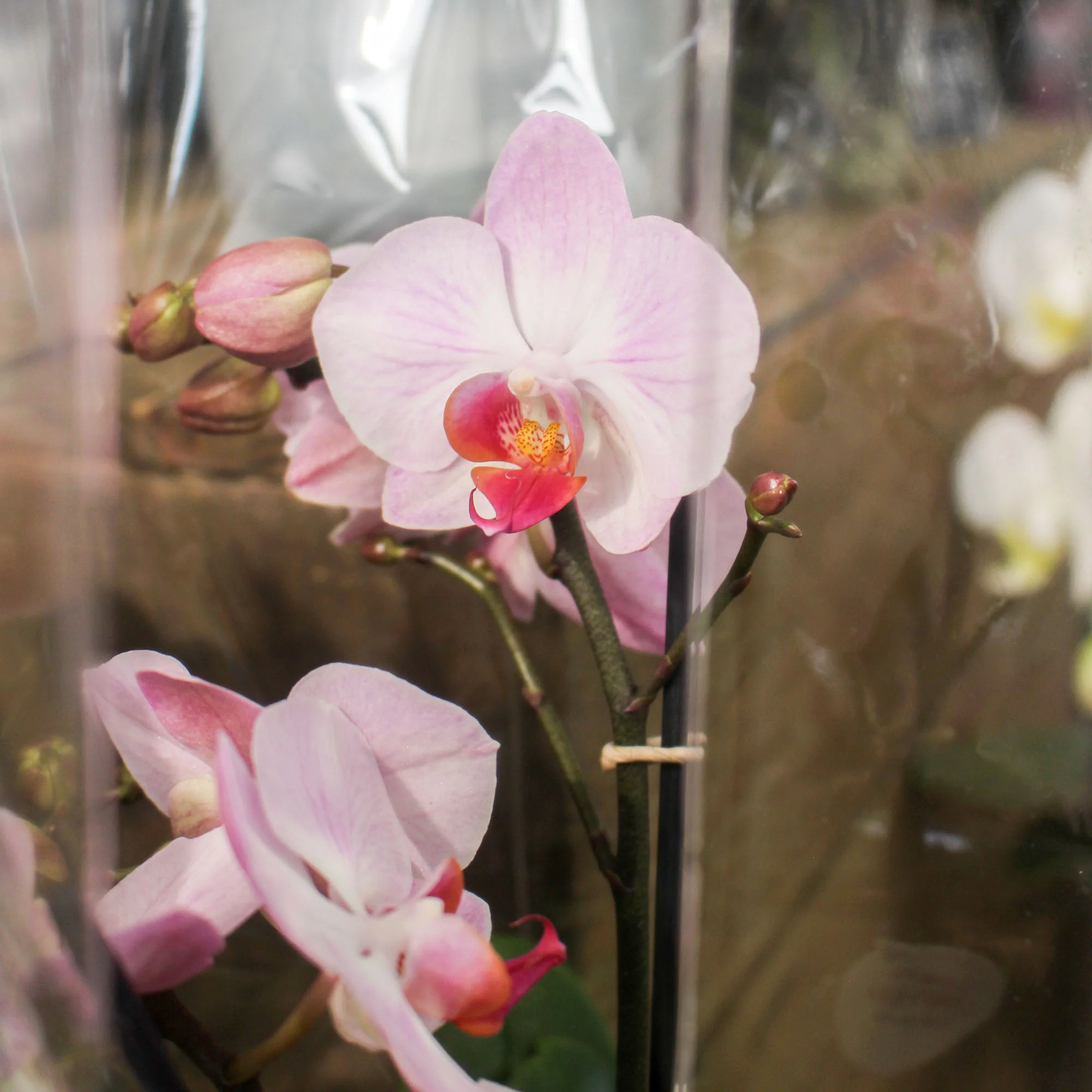
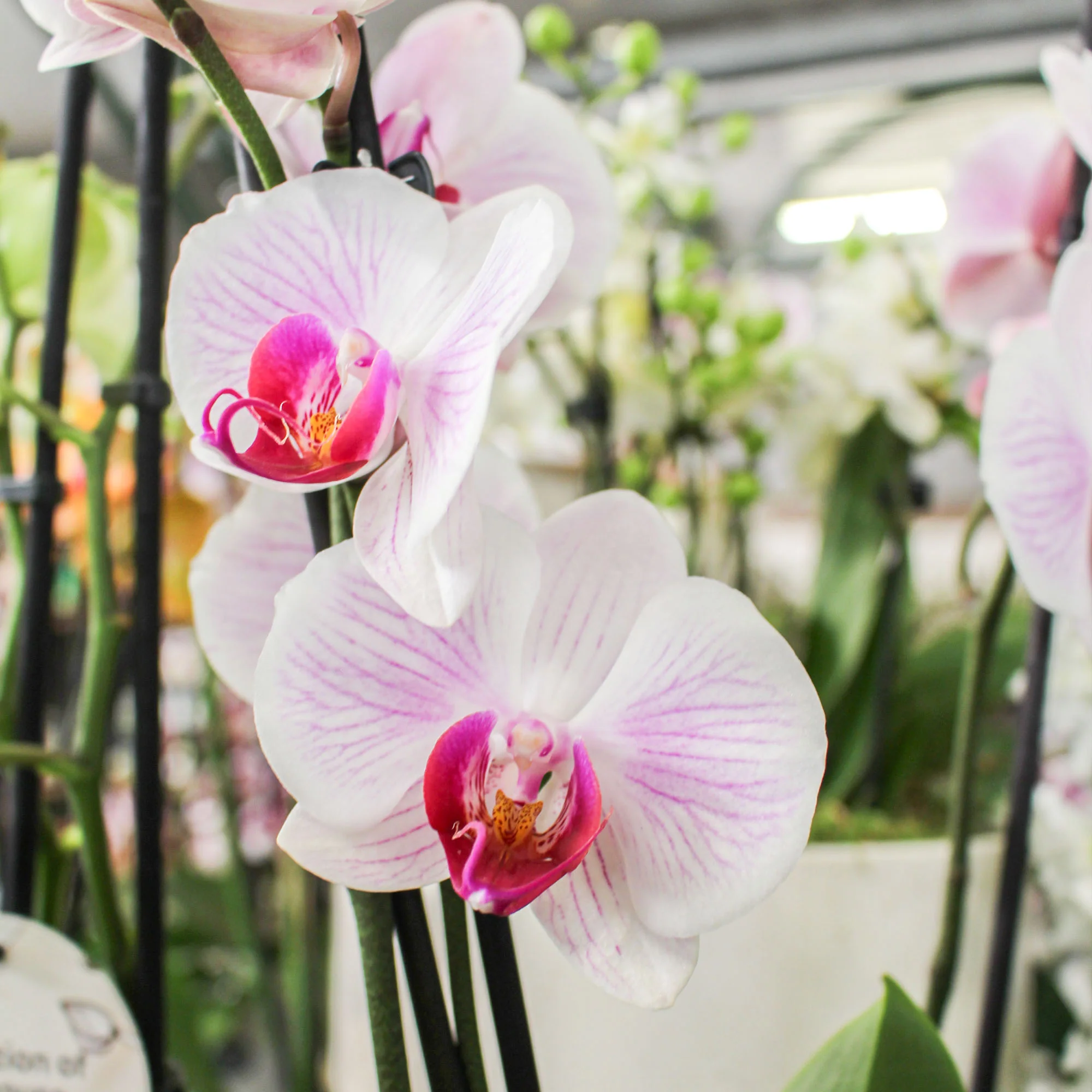
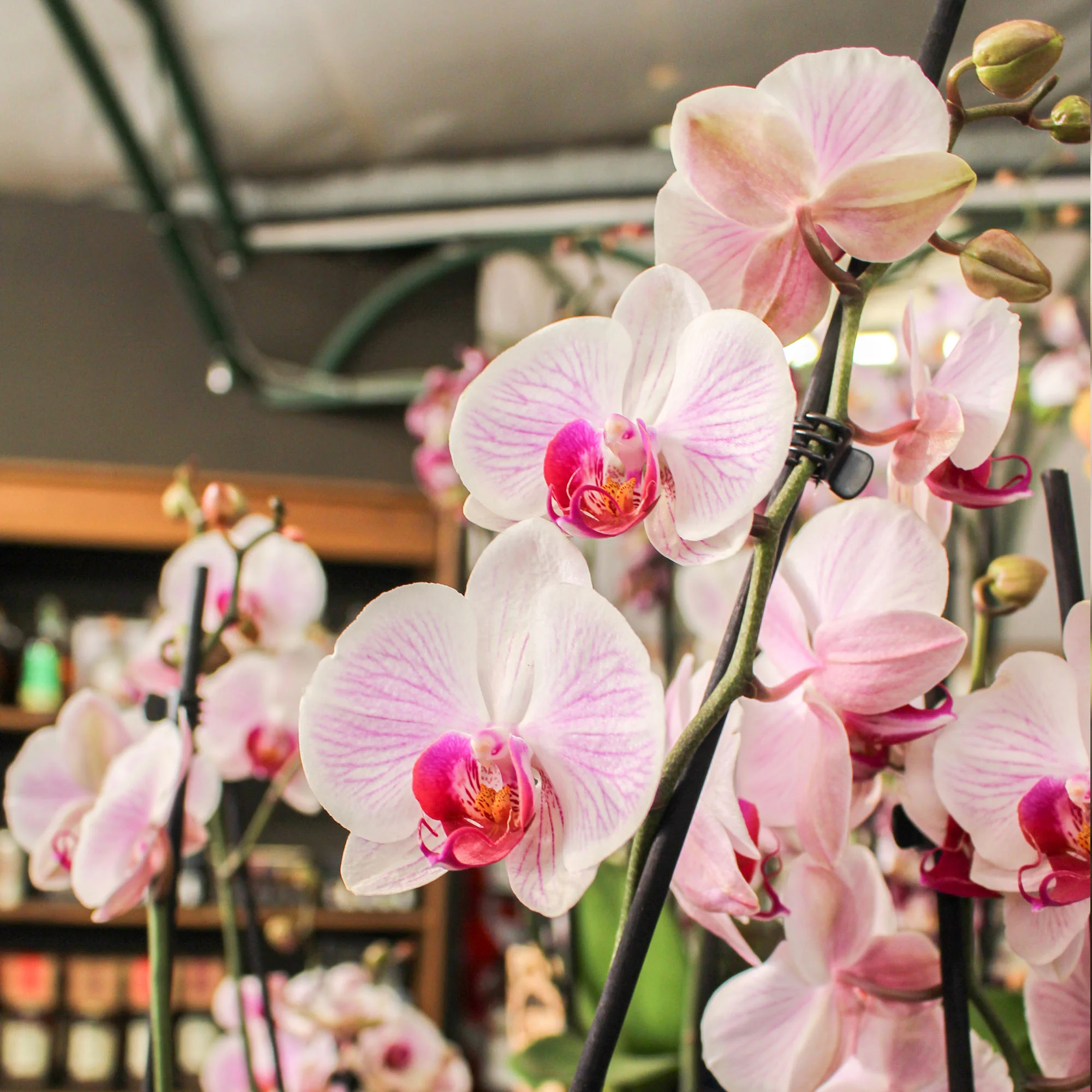
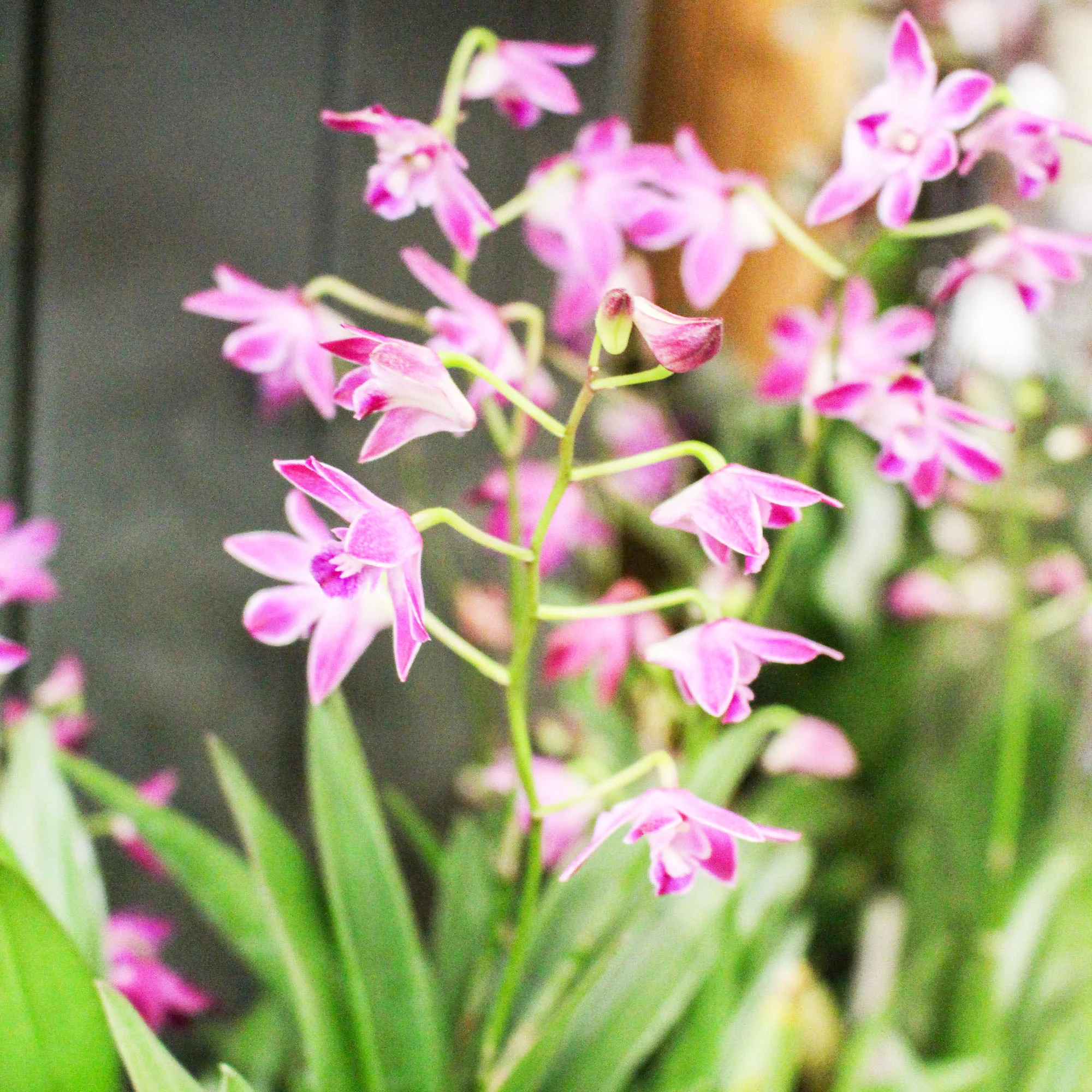
Home impact: Dendrobium ‘Berry Oda’ produces clusters of vibrant pink-purple flowers with a light fragrance, bringing colour and interest into the home. While not known for air-purifying qualities, it adds a decorative and uplifting presence. Generally considered non-toxic, but best kept out of reach of pets as a precaution.
Potential height at full growth: Typically grows to around 30–50cm in height, with upright cane-like stems.
How to look after it: Place in bright light and use a specialist orchid compost (bark-based). Water more frequently during active growth and reduce in cooler months. Feed with an orchid fertiliser every 2–3 weeks in spring and summer. Allow for a slight rest period in winter with less water and feeding to encourage flowering. Repot every 2–3 years or when the compost breaks down.
Beginner friendliness 3/5
Confident Beginner! This orchid is relatively easy compared to others but does need the right balance of light, watering, and a slight winter rest to flower well.
Dendrobium ‘Berry Oda’ is a hybrid known for its ability to produce multiple blooms along its canes. It may flower more than once a year in the right conditions. Avoid overwatering, especially in cooler months, as this can lead to root problems.
Description
Common name: Dendrobium ‘Berry Oda’
Latin name: Dendrobium ‘Berry Oda’
Best position in the home: Prefers bright, indirect light and can tolerate some gentle direct sun, especially in the morning. A bright windowsill is ideal. Avoid low light, as this can reduce flowering. Best placed in a warm room with good air circulation.
Water requirements: Water regularly during the growing season (spring and summer), allowing the compost to dry slightly between waterings. Reduce watering in autumn and winter. Ensure excellent drainage and never allow the plant to sit in water. Enjoys moderate humidity.
Home impact: Dendrobium ‘Berry Oda’ produces clusters of vibrant pink-purple flowers with a light fragrance, bringing colour and interest into the home. While not known for air-purifying qualities, it adds a decorative and uplifting presence. Generally considered non-toxic, but best kept out of reach of pets as a precaution.
Potential height at full growth: Typically grows to around 30–50cm in height, with upright cane-like stems.
How to look after it: Place in bright light and use a specialist orchid compost (bark-based). Water more frequently during active growth and reduce in cooler months. Feed with an orchid fertiliser every 2–3 weeks in spring and summer. Allow for a slight rest period in winter with less water and feeding to encourage flowering. Repot every 2–3 years or when the compost breaks down.
Beginner friendliness 3/5
Confident Beginner! This orchid is relatively easy compared to others but does need the right balance of light, watering, and a slight winter rest to flower well.
Dendrobium ‘Berry Oda’ is a hybrid known for its ability to produce multiple blooms along its canes. It may flower more than once a year in the right conditions. Avoid overwatering, especially in cooler months, as this can lead to root problems.